Discover the experiences of students who have gone before you!
Are you looking for an internship or project assignment where you can really grow? At Tomatoworld, we offer you the chance to let your talents flourish in an environment as dynamic as a well-maintained greenhouse. Whether you are interested in marketing, IT, HR or any other discipline, with us you will have the space to shine. Will you join our team?
Richelle D'Souza - Thesis research
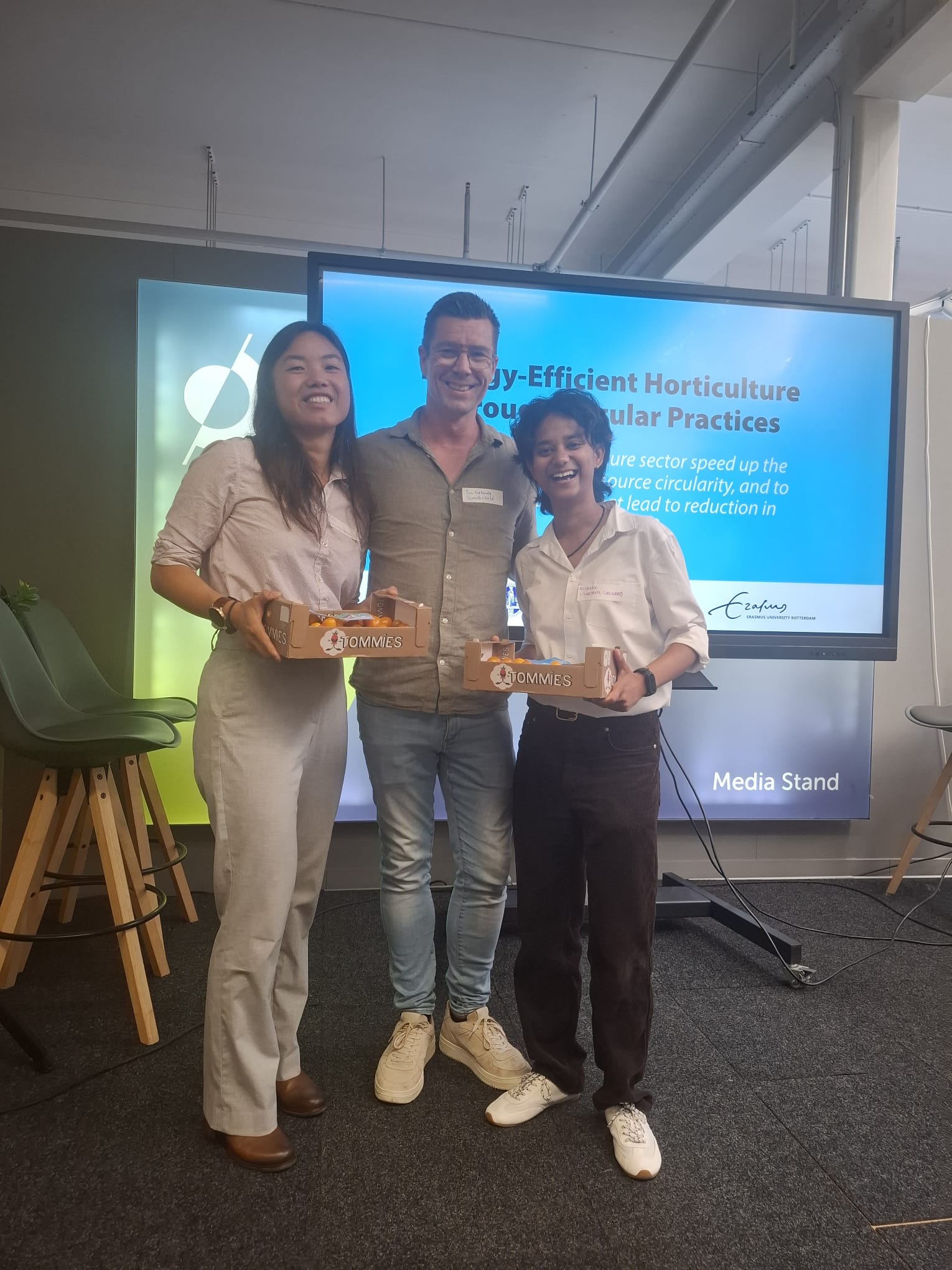
As part of my MSc in Global Business & Sustainability at Rotterdam School of Management, I carried out my thesis research at Tomatoworld, together with its substrate partners (Novarbo, Dutch Plantin and Cultilene),growers, research experts, and other partners in the greenhouse industry on the circularity of greenhouse substrates in Dutch high tech tomato production. The project focused on stonewool, coconut coir, and wood fibre and asked a pointed question: not how circular these materials could be according to indicators, but whether current practice can prove any circular outcomes across the chain.
From the literature, I found that most circularity tools were designed for manufactured products with clear ownership, stable technical cycles, and integrated take back systems. For substrates, these assumptions do not hold: materials degrade biologically, responsibility is distributed, and end of life routes are fragmented. The result is a measurement apparatus that produces precise scores, but says little about who would generate, verify, and stand behind the data needed to substantiate circular claims in real supply chains.
The interview work confirmed this gap very clearly. Across producers, growers, and waste sector actors, I mapped how material and information actually flow. The central finding is that the sector does not mainly lack circular options; it lacks a credible way to verify what happens to substrates after use. Data typically stop at the grower–processor handover, responsibilities are split, and actors rely on assumptions about downstream routes rather than traceable evidence.
The analysis also shows that stonewool, coir, and wood fibre fail in different places in the chain. Stonewool appears circular on paper because it is re meltable, yet waste processor interviews reveal a “one big mountain” of mixed stone wool and an economically negative brick route where the recycler is paid to take material, with limited transparency back to producers. Coir and wood fibre look attractive as bio based, compostable materials, but composting and soil return organisations highlight contamination risks, quality requirements, and missing feedback loops that are rarely reflected in product level circularity scores. This means that one generic sector framework inevitably hides the real bottlenecks and can even mislead decision makers.
On this basis, the thesis argues that substrate circularity in Dutch greenhouse horticulture is first and foremost a governance and verification problem, not a measurement problem. For Tomatoworld and the wider sector, the key next step is therefore not to design more composite circularity indicators, but to build substrate specific verification architectures. Concretely, the recommendations focus on using Tomatoworld’s field lab to test: (1) clear chain of custody tracking for used substrates, (2) simple, standardised data hand overs at each transaction, and (3) contractual accountability for end of life routes that links circular claims to auditable evidence.
In short, the project reframes substrate circularity at Tomatoworld from “how do we measure more?” to “how do we prove what we claim?”, and offers evidence based, practical steps to move from circular potential on paper to circular performance that the sector can actually demonstrate.
Roxi Klein - Internship marketing
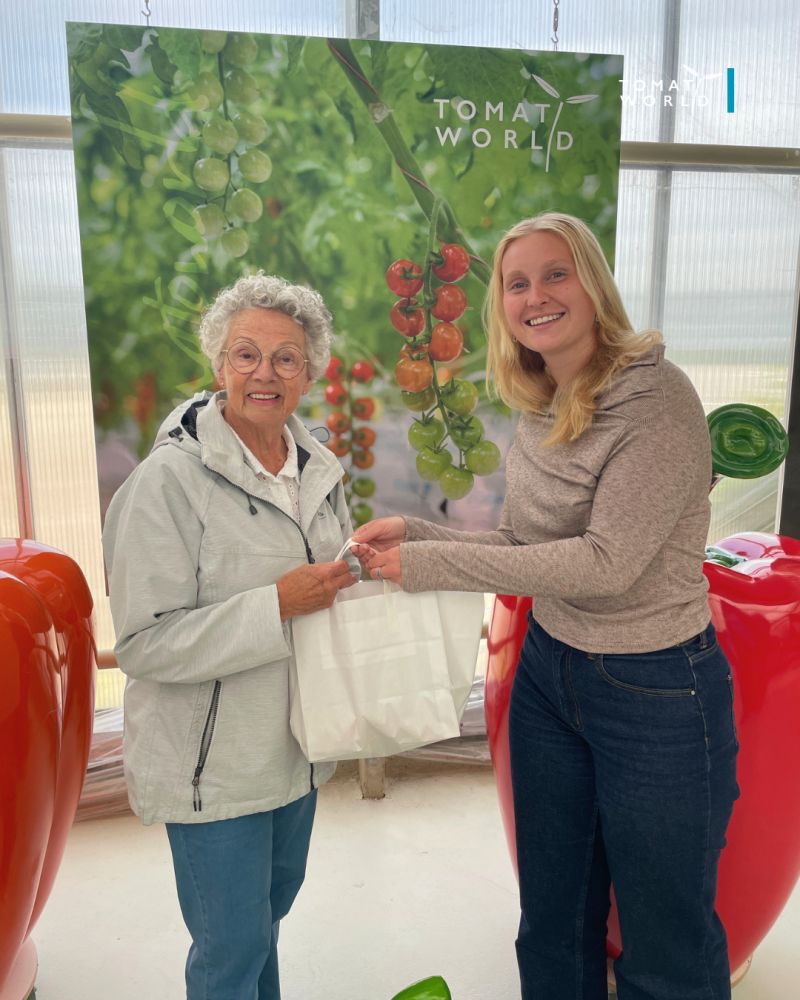
School: Inholland University of Applied Sciences, Rotterdam
Course: Business Studies
Period: February 2026 – June 2026
Over the past 5 months, I have been working in the marketing department, focusing mainly on creating content for social media and updating the website. As part of my coursework, I carried out research into the target audiences, which involved interviewing partners.
At Tomatoworld, I was given a lot of freedom to do what I enjoyed and received excellent guidance from my internship supervisor, as well as from my other colleagues.
I was able to develop my skills in video production, shaping the entire process of filming and editing in my own way. I received a lot of praise for this from both within and outside the organisation, which really makes you feel valued.
Marketing & Communication internship - Alex Verkerk
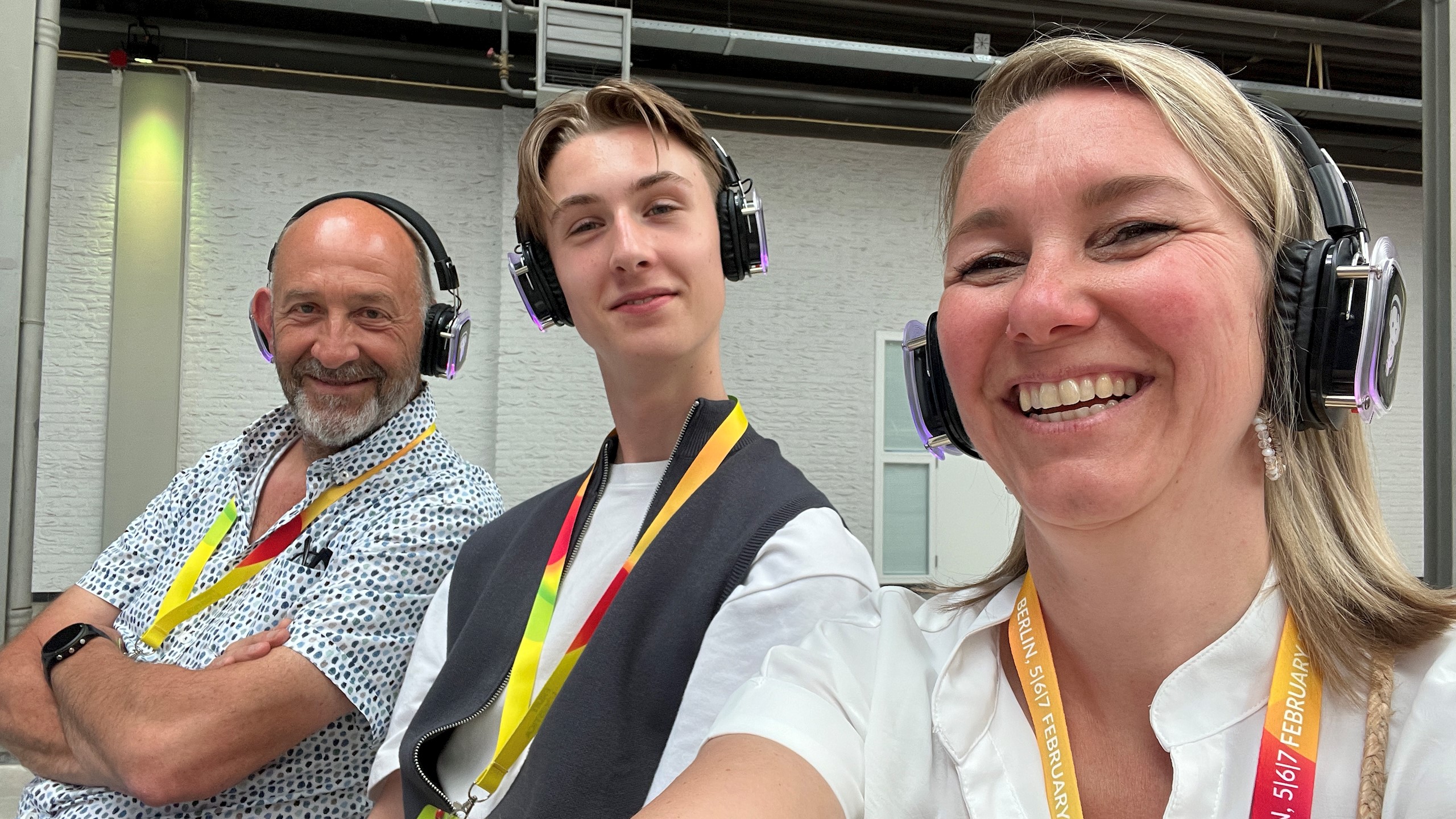
For my course 'Creative Marketing & Sales', I did a five-week internship at Tomatoworld, where I was involved in meetings, social media and the Global Tomato Congress. Together with colleagues, I improved the customer satisfaction survey by designing a new form and setting up a feedback room. It was challenging to keep the form short, as many visitors had little time for feedback, but I learnt a lot from this. I enjoyed doing an internship in my neighbourhood, Westland, which I am proud of and enjoy the unique environment of growers and greenhouses. My friendly colleagues and the pleasant working atmosphere at Tomatoworld further strengthened my interest in marketing and communications.
May - June 2024
Horticulture & Agribusiness, cultivation technology & breeding Internship - Renske Marck
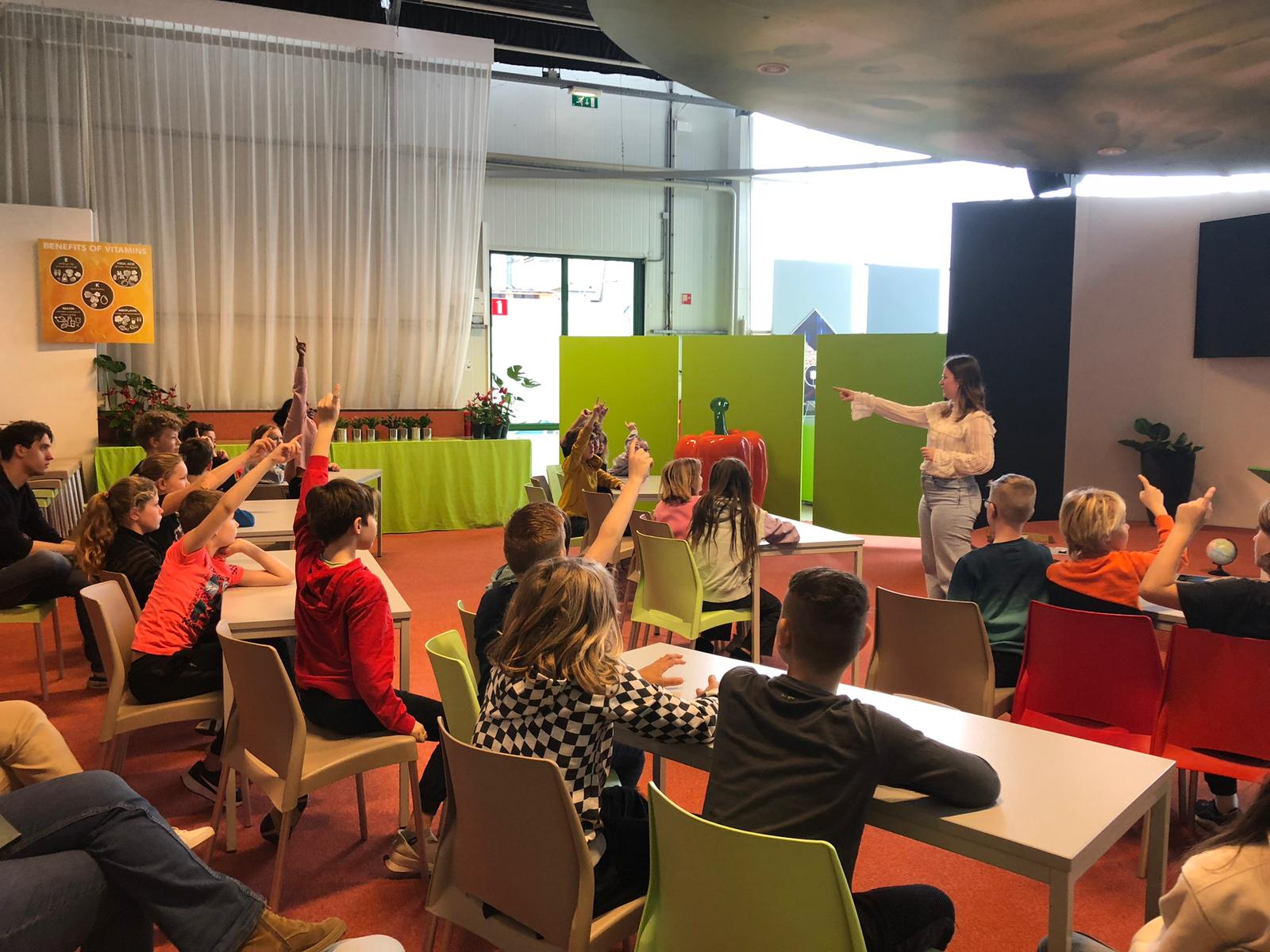
For my study Horticulture & Agribusiness, specialisation Cultivation Technology & Breeding at Inholland University of Applied Sciences, I renewed the children's tour at Tomatoworld. After an introductory meeting, I was allowed to start. I made the tour for primary school children from groups 6, 7 and 8 more interactive with assignments and puzzles, so they could discover the diversity of modern horticulture. It was great to design new assignments and give tours. I learned a lot from translating complex information into understandable language for children aged 10 to 12. The tour was enthusiastically received by children, teachers and Tomatoworld itself 😉
Doing an internship at Tomatoworld was a valuable experience because of my passion for horticulture, research and social causes such as education about healthy eating and sustainability.
February - June 2024
Project Data platform - Industrial Design Engineering - Simone Vascotto
The project began with the idea of capitalizing on the data collected in the Tomatoworld (TW) greenhouse. Given the project's vast scope, extensive research was conducted to shape its direction, ultimately leading to an educational focus. I developed RISE, an educational platform aimed at teaching students the role of data in horticulture, how to analyse it, and how to put it into practice. This direction emerged from identifying inefficiencies between plant physiologists and data analysts within the industry.
The project was holistic and approached much like a startup. Initially, I defined the possibilities with the data and its usage. From there, I identified a specific market segment to further narrow down the project. This involved defining market possibilities and understanding the needs of potential users. Once these were established, I developed the resource itself and shaped the value proposition, focusing on the teaching method, the medium of the resource, and specific content.
Decision-making was at the core of the project. From determining the target market to setting up ideal methods for diverging and converging, and identifying the necessary features for the prototype, each decision was made using design methodology as a tool. I spent considerable time planning and conducting research, which helped me understand user needs, market gaps, and competition. This guided the project's direction, ensuring it remained user-centric. It wasn't just about following design methodologies but choosing the right tools at the right moments. With this approach, I maximised the project's impact, always keeping the user in mind. This allowed me to create a product tailored to their needs and wants, making it viable for both B2B and B2C scenarios.
The project will continue beyond my initial work. I have developed a strong prototype, and the next steps involve working with Aart to develop an MVP. Thus, the project will progress outside university grounds and purposes. Additionally, I have been approached by Source, another IoT company in horticulture, offering me a job and the adaptation of the solution I built for TW. This further demonstrates that what I have built is not only innovative but also necessary, with demand in both the educational and private sectors.
The internship was great. I was given lots of space to carry out the project. I really appreciated this as in this was, I could shape it the way I wanted. I was quite proactive which helped move the project forward. Meetings with Aart were also great to brainstorm and define the next steps forward. I was able to also attend meetings with Aart and events which really made the overall experience great. Meeting other interns was amazing too as this created a nice environment to work together. (and improve my Dutch)🙂
I had previously worked with Tomatoworld 1 year ago with a robotics project. I had already enjoyed my time and was open to working with the team again. And again, the team did not disappoint. Everyone was very open and willing to help. I had a great time and really appreciate Aart's approach of creating an environment where both TW and I would benefit from this collaboration. And indeed, this was the outcome.
February - June 2024